

Dear Fellow Educator,
Have you heard? The Supreme Court made a big First Amendment decision this summer that affects all public employees, including teachers. The Court said that we can no longer be forced to financially support a union without first giving “affirmative consent.” This means that we do not…

Because of a recent Supreme Court ruling, government unions have an opportunity to reboot for the better, but they are faced with a choice: Will they continue prioritizing a political agenda unrelated to meeting the needs of their members? Or will they be more attentive and responsive to professional interests?
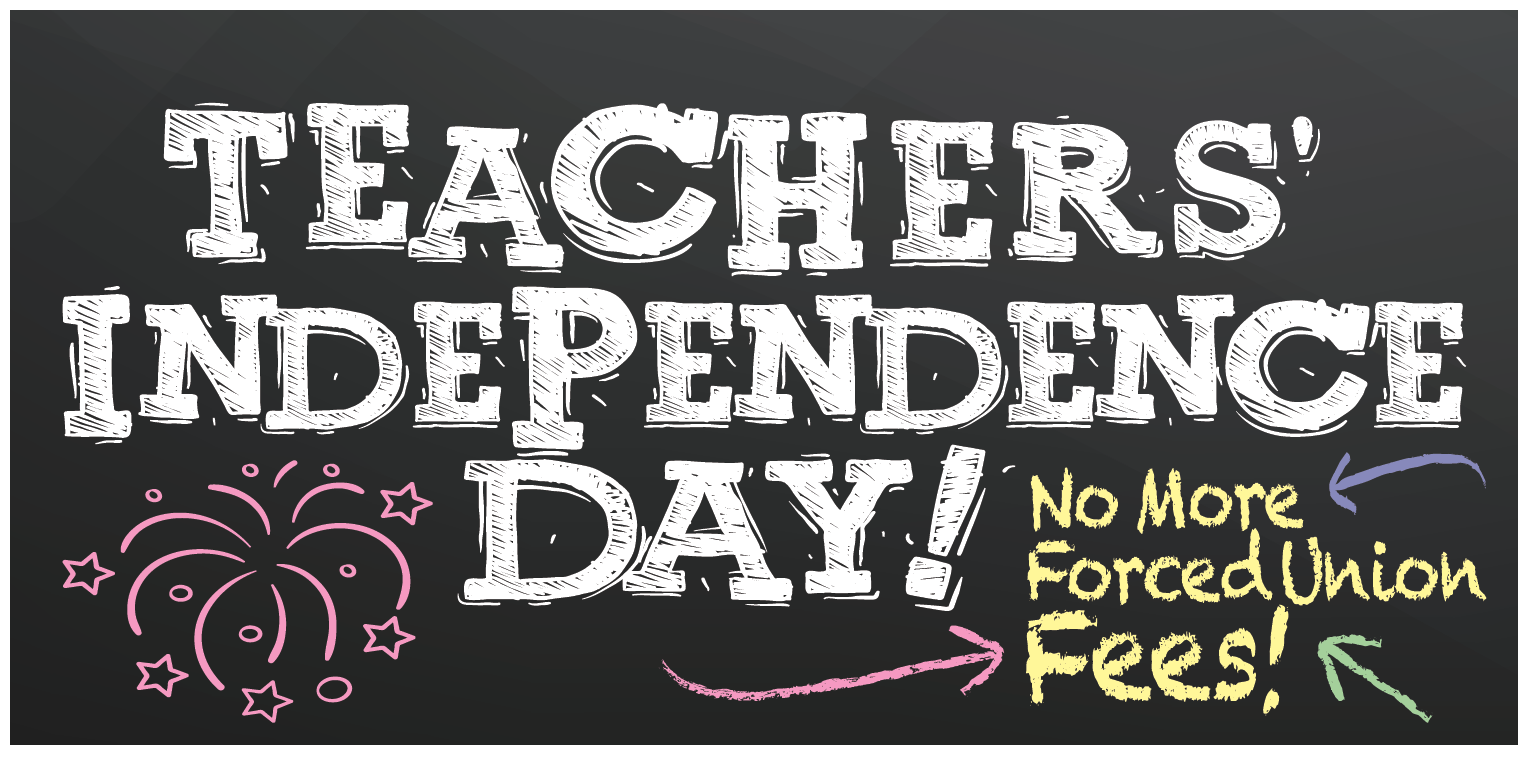
The national teachers’ union (NEA) convention is in Minneapolis this year. While the rest of America is celebrating Independence Day, the teachers’ union is conducting a day of business at the convention center.
If teachers want to influence their union, they have to spend time away from their families and…
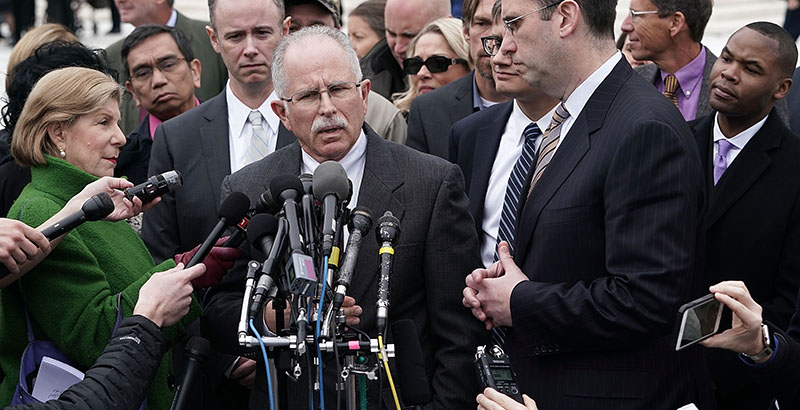
The United States Supreme Court ruled in favor of Mark Janus, a child protection specialist for the State of Illinois, in Janus v. AFSCME.
The Court overturned a 1977 decision called Abood v. Detroit Board of Education, holding that public employees do not have to pay agency fees to a…
In a landmark decision for First Amendment rights, the U.S. Supreme Court today ruled that public employees cannot be compelled to pay union fees as a condition of employment. The 5-4 ruling in Janus v. AFSCME restores the First Amendment rights of freedom of association and free speech to more…
Is NEA’s proposal to broaden the scope of who can have union membership a safety net for its political power? Does the union fear its members will assess its representation and find it wanting?

One reoccurring criticism of teachers’ unions is that they protect “bad” teachers—those “how are you still here?” teachers. But do teachers themselves share this same perception? According to a recent poll, they do. Teacher quality is a vital determinant of student achievement. There is a way to keep good teachers and remove inadequate ones. But the status quo needs to change first. And teachers are calling out the union for getting in the way.
Workplace democracy is, unfortunately, a short-lived promise to teachers in Minnesota. While teachers’ unions often claim to favor a democratic approach to our public education system, teachers are rendered mute when it comes to choosing their own union. Workplace democracy is a principle, not a practice.
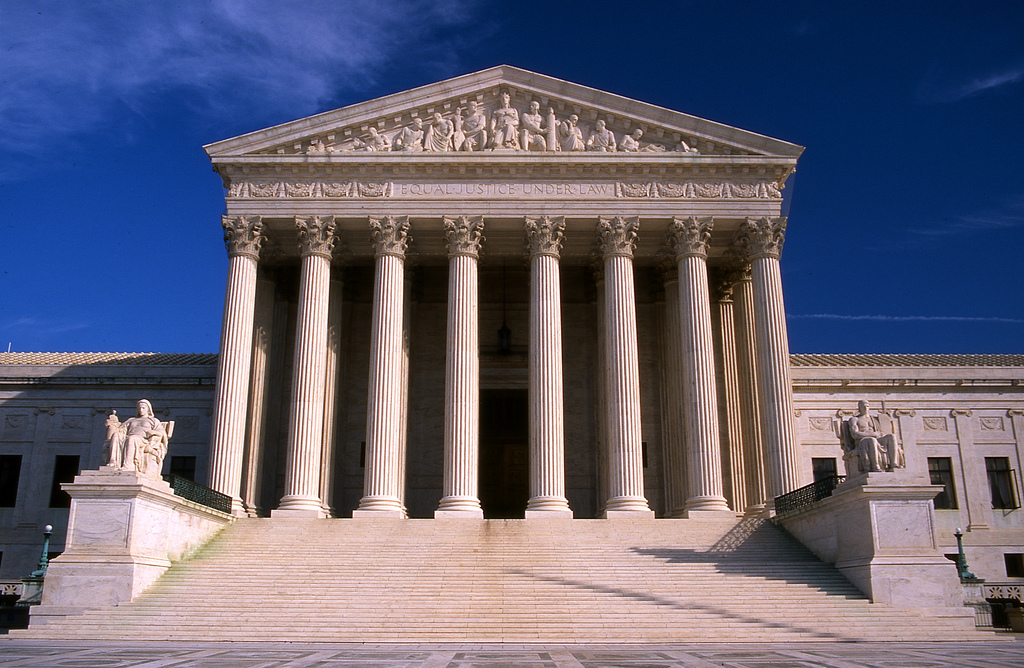
If the Supreme Court rules in favor of Mark Janus this spring, more than five million public employees in Minnesota and 21 other states won’t be forced to pay "fair share" union fees to keep their jobs. Could it restore civility to Minnesota’s politics and classrooms?